

Casino Brisbane sits at Queen’s Wharf, anchoring Brisbane’s entertainment strip much like Crown Melbourne anchors Southbank. If you’re weighing Casino Brisbane table games, the floor offers more than most visitors reckon: several blackjack variants, baccarat, roulette, sic bo, and a dedicated poker room. The companion notes I keep on table minimums and dealer rules across venues are filed at samurai-matome.com – and the decision guide below covers the questions worth asking before you sit down.
Reading the Floor Before You Sit Down
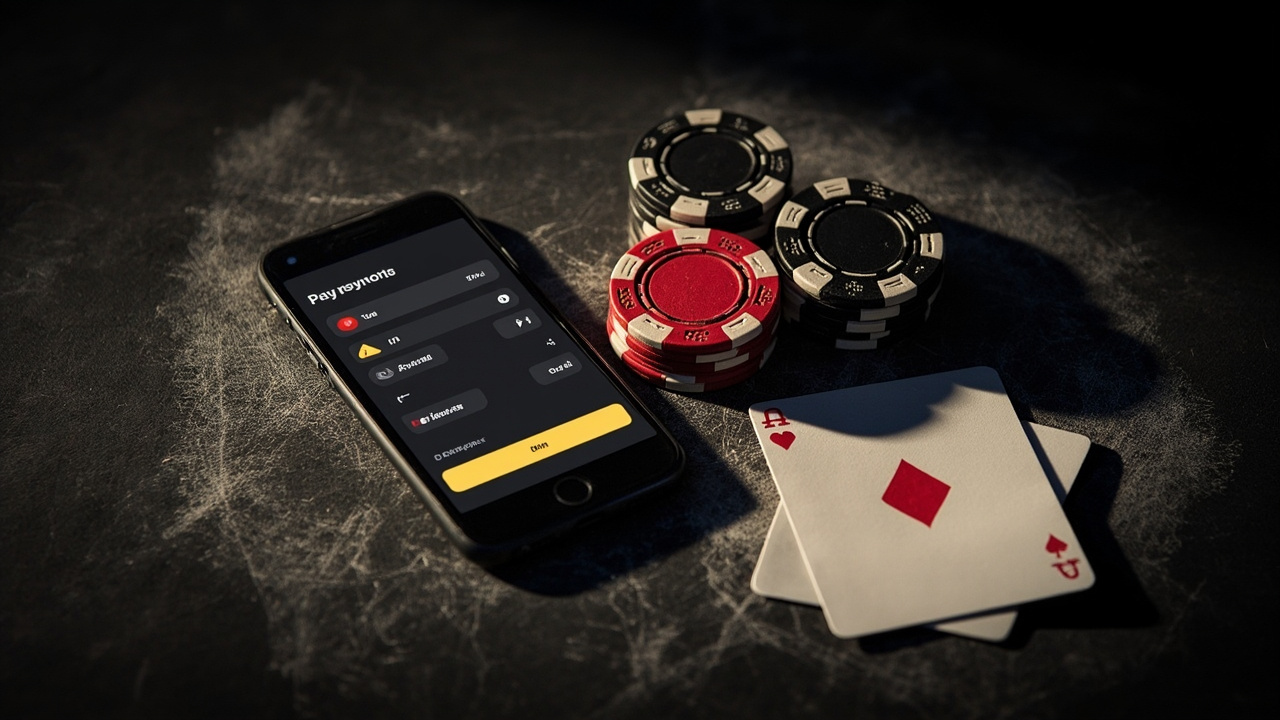
Casino Brisbane’s table games sit across two distinct zones in the Queen’s Wharf complex: the main gaming floor and the high-limit salon tucked behind it. The main floor runs roughly 30 tables at peak – the busiest I’ve clocked in a Brisbane gaming room – covering classic blackjack, pontoon (a Queensland favourite), American and European roulette, mini-baccarat, and three-card poker. The high-limit salon typically operates four to six tables, with baccarat dominant and minimums starting around $50 a hand rather than the main floor’s $15.
Most players under-allocate time to the simple decision of where to start. My rule from running customer journey work: treat the floor like a funnel, not bookofraonline.org a buffet. Walk past every table, note the dealer tempo, then commit. Pace matters as much as place.
For poker fans, the dedicated room sits separately, hosting cash games and a nightly tournament. It runs independently of the main tables, charging rake and time fees instead of a per-hand house edge. The venue runs 24-hour operations, so a Saturday night session is a different product to a Tuesday arvo.
Reading the Stakes Before You Sit Down
The advertised minimum on a Casino Brisbane table game is roughly what you’d budget for ten minutes, not ninety. Here’s how the floor compares on a typical weekday arvo:
| Game | Main floor minimum | Peak evening minimum | House edge (approx) |
|---|---|---|---|
| Classic blackjack | $15 | $25 | 0.5% with basic strategy |
| European roulette | $10 | $20 | 2.7% |
| American roulette | $10 | $20 | 5.26% |
| Pontoon | $20 | $30 | ~0.4% optimal |
| Mini-baccarat | $25 | $50 | 1.06% banker |
| Three-card poker | $15 | $25 | 3.37% |
Pontoon sits $5 above the equivalent blackjack because the rules favour the house more aggressively – a quirk most visitors don’t catch. Side bets push the effective hold 4-6% higher than the main wager; they’re priced the way I’d price a placement in a digital campaign, technically opt-in but practically a margin lift for the house. Membership cards convert turnover to reward credits at a published rate, which is one of the cleaner factors to compare between venues. Tuesday and Wednesday between 2pm and 6pm is reliably the quietest window if you want a calmer table – and dealers say they have more time to walk newcomers through the basics.
Promotions, Loyalty and the Value Calculus
The loyalty programme at Casino Brisbane runs on a single card, turning table turnover into something redeemable. Sign-up is free at the rewards desk, photo ID required, and the welcome offer is a $20 matched play credit after your first $40 in table turnover. Reward credits accumulate at roughly 1 point per $5 wagered, with premium tiers at 5,000 and 20,000 points monthly.
I caught up with Jarrad, a pit supervisor who’s worked the floor since the Treasury days, between sessions on a Thursday arvo.’Most players walk in chasing the welcome credit and never look at the comp rate on their actual session,’ he said.’A $200 main-floor session earns a coffee; a $200 high-limit session earns a meal – the targeting’s different.’ That’s the same lens I apply to campaign analytics: the headline offer gets the click, the lifetime value sits in the second tier. Redemption rates skew toward food and beverage over cash – standard industry behaviour worth knowing before you chase points you can’t spend. For most casual visitors, the credits work better as a meal voucher than a metric to chase.
Choosing the Right Game for Your Style
The decision that matters more than table minimum is what kind of player you are – a skill player, a pace player or a social player. Skill players gravitate to pontoon and blackjack, where basic strategy reduces the house edge and a quiet Tuesday arvo gives space to think. Pace players – there for the theatre – favour the American roulette pit near the entrance, where the crowd energy is part of the product. Social players, often coming off a long lunch on Eagle Street, do well at three-card poker and mini-baccarat, which offer faster rounds and lower cognitive load.
Time matters too. A 30-minute session looks completely different at a $15 blackjack table than a $50 baccarat one – same hour, same floor, two different decisions.
Casino Brisbane’s table games are a fairly tight product. The appeal is consistency, dealer quality, and the fact you can walk straight in without an app. For players weighing offshore formats alongside the Brisbane complex, I keep smarter crypto casino selection as a separate note on the topic – though those products aren’t a substitute for the licensed Brisbane floor.
The decision on Casino Brisbane table games comes down to three things: which variant suits your style, which session length you can afford, and whether you’ll actually claim the loyalty credit. The floor delivers a focused, well-rounded offer – blackjack, pontoon, roulette, baccarat, three-card poker and a poker room – at minimums that won’t shock a visitor but won’t flatter a high-roller either. For a Tuesday arvo before kick-off at Suncorp, it’s a defo solid choice.